
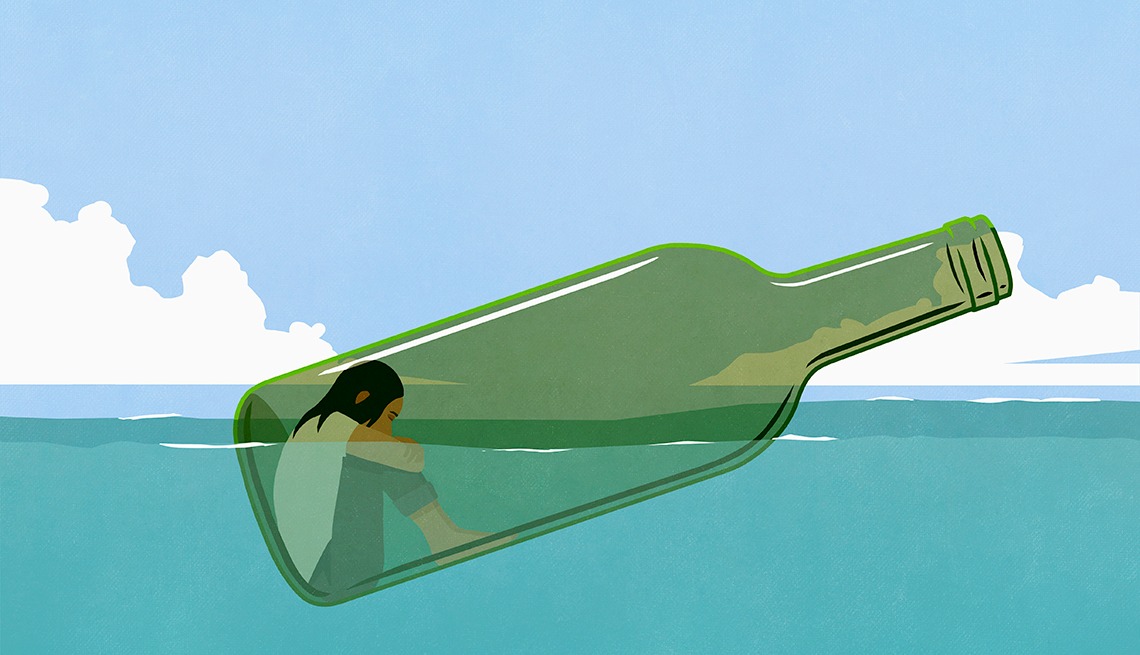
Understanding the Impact of Alcohol on Mental Health
Using alcohol to cope with difficult emotions or life challenges may seem like a temporary fix, but it often leads to more significant mental health problems. Many individuals might not immediately realize the extent to which alcohol affects their mental well-being.
However, early warning signs can include:
🔸Anxiety and depression
🔹Memory and concentration issues
🔸Difficulty learning new skills
🔹Personality changes and hazy thinking
If you notice any of these symptoms, seeking help from a healthcare professional, such as a general practitioner (GP), is crucial.
The Vicious Cycle of Alcohol and Stress
When alcohol is used as a coping mechanism, it prevents the development of healthy strategies for managing stress and adversity.
This reliance can create a harmful cycle:
🔴Temporary Relief: Alcohol may provide a brief sense of relaxation or numbness.
🔴Increased Vulnerability: Poor sleep, hangovers, and health issues caused by alcohol make it harder to face challenges.
🔴Dependency: Over time, you may feel increasingly reliant on alcohol to cope, further compounding stress and anxiety.
Building effective coping skills, such as talking to trusted individuals, seeking professional help, or practicing stress management techniques, can help break this cycle.
Alcohol’s Effect on Relationships and Social Skills
Excessive drinking can strain relationships, leading to arguments, neglect, or harm to loved ones. It can also exacerbate symptoms of social anxiety, making it harder to engage in social situations without alcohol.
Over time, this may lead to:
⚠️Avoidance of social events where alcohol is unavailable.
⚠️An increased reliance on alcohol to interact socially.
⚠️A cycle of isolation and dependency.
By reducing or stopping alcohol consumption, individuals often experience improved social confidence and stronger relationships.
The Emotional Toll of Alcohol
Alcohol can amplify negative emotions or make them harder to control. Common emotional impacts include:
📌Numbing Emotions: While alcohol may temporarily dull feelings of sadness or frustration, it often leads to increased anxiety and a worsened mood once the effects subside.
📌Releasing Emotions: Alcohol lowers inhibitions, potentially leading to arguments, aggressive behavior, or even self-harm.
📌Undermining Self-Esteem: Heavy drinking can contribute to poor self-esteem by impairing decision-making, leading to regret and further emotional strain.
Addressing underlying emotional issues and finding healthier ways to process emotions is essential for breaking free from the grip of alcohol.
Alcohol and Its Link to Stress, Self-Harm, and Suicide
While alcohol may initially feel like a stress reliever, its effects are short-lived. When the initial relaxation fades, the original stressors remain, often exacerbated by the physical and emotional toll of drinking.
Moreover, alcohol can increase impulsivity, leading to actions such as self-harm or even suicide. If you or someone you know is in immediate danger, calling emergency services (112 or 999) is vital.
Practical Steps to Manage Alcohol Use
If you’re struggling with alcohol use, consider the following steps:
🍀Acknowledge the Problem: Recognizing the negative impact of alcohol is the first step toward change.
🍀Seek Support: Speak with a GP, therapist, or counselor. Support groups like Alcoholics Anonymous (AA) can also be invaluable.
🍀Develop Healthy Coping Mechanisms: Practice mindfulness, engage in physical activities, and maintain open communication with trusted individuals.
🍀Set Realistic Goals: Start with small changes, like reducing the frequency or quantity of alcohol consumption.
🍀Stay Committed: Change takes time. Celebrate small victories and seek help when setbacks occur.
Finding Help
There are resources available for anyone struggling with alcohol use. For confidential advice, call 1800 459 459 ☎️, or explore local alcohol services and support networks.
Making the decision to cut down or stop drinking can feel overwhelming, but the benefits—improved mental health, stronger relationships, and a better quality of life—are well worth the effort.
Source: